




Five years after the release of Solasta: Crown of the Magister, Tactical Adventures returns with a highly anticipated sequel to one of the most beloved turn-based tactical RPGs of this decade. Can Solasta II live up to expectations and even surpass the original, which was a surprise hit at the time? After around 15 or so hours in Early Access, here are my early impressions.
Dungeons and Dragons to the Core
As in its predecessor, the core system mechanics in Solasta II are based on the free SRD (System Reference Document) ruleset. The sequel utilizes the SRD 5.2 ruleset, based on the 2024 D&D fifth edition core rules, and that’s something you’ll feel from the very moment you start creating party characters, through every step of your adventure. If you like that distinct tabletop, dice-rolling vibe of D&D while playing a video game, Solasta II will be right up your alley.
The game will scratch your itch for more Baldur’s Gate–like content, a comparison we cannot avoid when talking about Solasta II, as both are turn-based, isometric, party CRPGs with D&D gameplay mechanics. While it obviously doesn’t have the massive budget of Baldur's Gate 3 and is made by a significantly smaller team, Solasta II still delivers impressive quality across all aspects of the game and can proudly stand shoulder to shoulder with one of the biggest gaming phenomena of the 2020s.
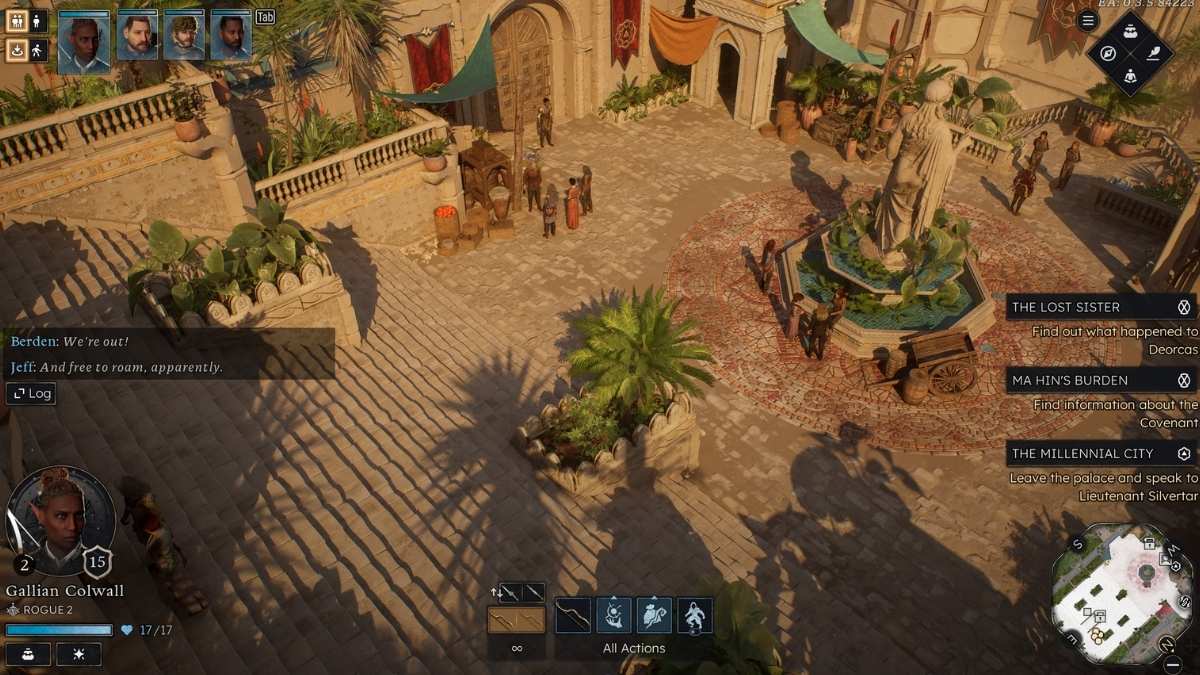
What I love about the incorporation of the SRD 5.2 rules in Solasta II is how the game successfully streamlines many potentially tedious aspects of tabletop rules without sacrificing strategic depth, tactical layers, or player agency, both during and outside of combat. The tedious and obvious busywork, such as choosing the best character for specific interactions or activating condition-based abilities, is automated, which is simply convenient and removes repetitive, time-consuming actions.
You can also automate or semi-automate many other "obvious" actions, so that you don't accidentally miss out on an opportunity to utilize some additional actions in combat, such as ambush, inspiration, etc. The game also allows you to customize what is automated with many toggle options, giving you an opportunity to create your own level of automation.
I've been talking about automation a lot, but make no mistake: 90% of what you do, in and out of combat, is on you. Only you and dice are the ones in control of every strategic and tactical decision that will ultimately lead to your victory or defeat in a battle. It's just that the obvious things are being streamlined to make way for what really matters.
Tasty Eye Candy
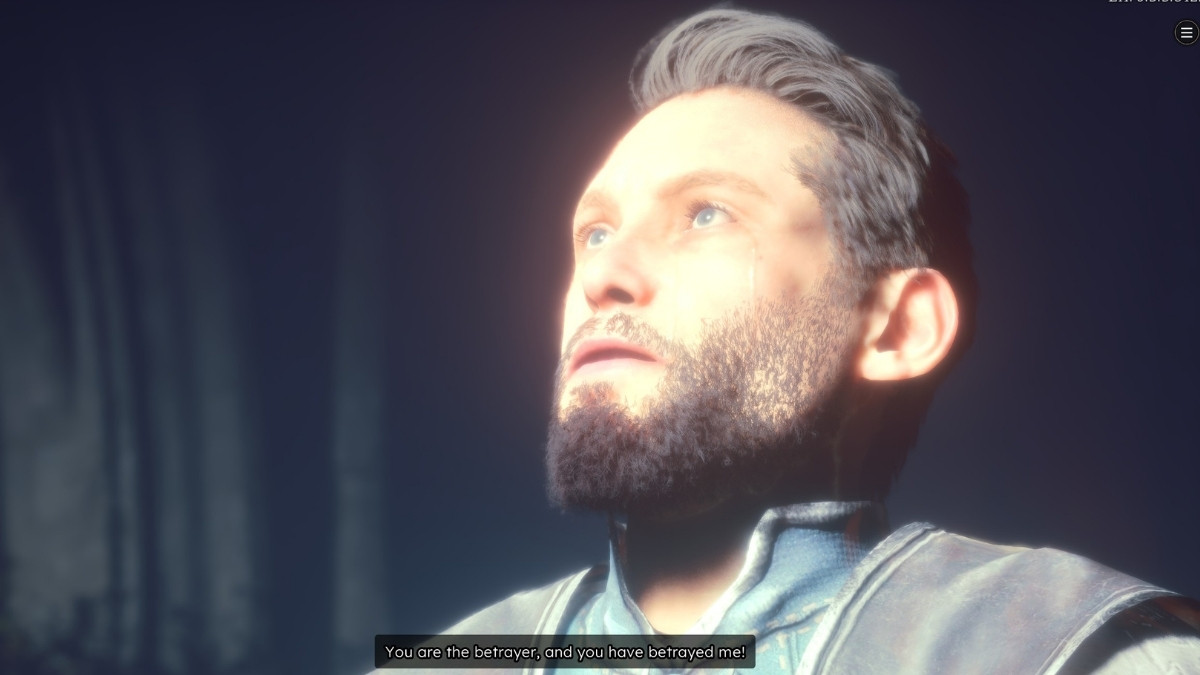
If you’ve played the original game, what will immediately catch your attention is the level of visual fidelity and the overall presentation of Solasta II. The game has undergone massive graphical improvements compared to the original, and the results are truly impressive. Simply put, the game is gorgeous, both in terms of artistic direction and level of detail, as well as overall visual quality.
At every step of your adventure, you’ll stumble upon breathtaking vistas and sights, from ancient ruins and lush jungles to grandiose elven cities with rows upon rows of monumental architectural landmarks, all brimming with little details that add to the overall immersion and the sense of a world that is truly lived-in, not just a stage for your adventure.
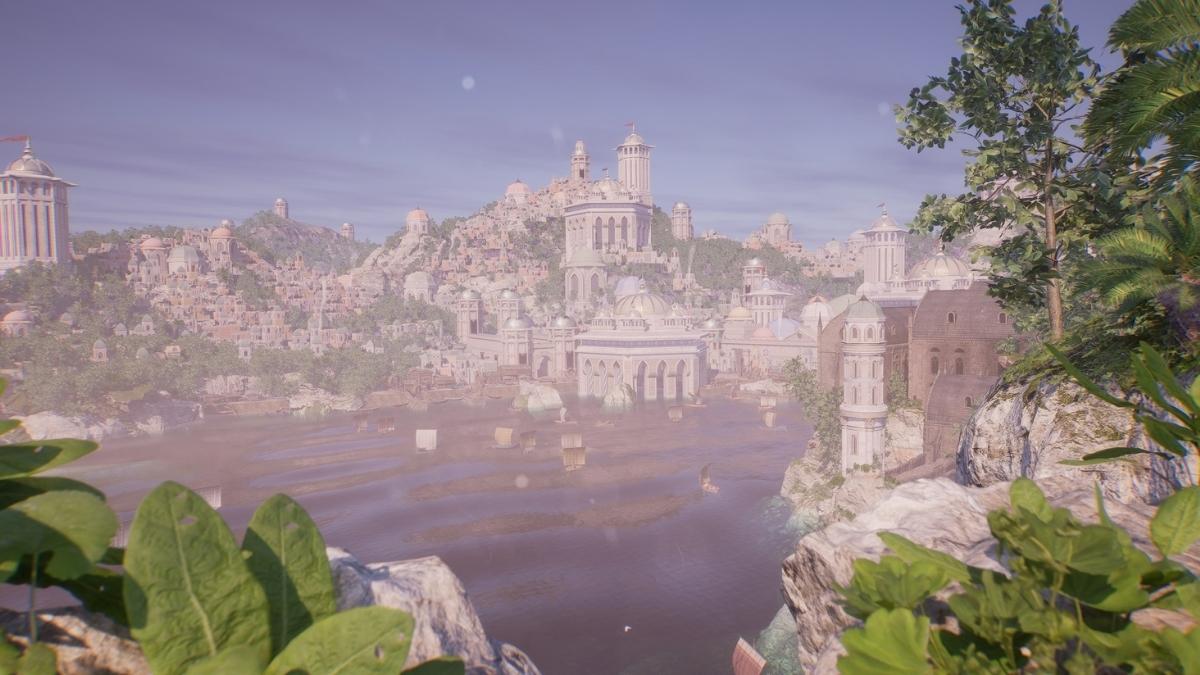
What’s even more awe-inspiring is that the game looks equally great from both the default bird’s-eye view and the pseudo third-person view, as it allows you to scroll the camera all the way down, letting you see even the ceilings and other otherwise hidden details. I’ve spent something like a fifth of my current play time just turning the camera up and down, left and right, soaking in the surroundings as much as I can.
Character models are all significantly improved as well, both for your party members and the NPCs you meet during your adventures, no matter how important (or unimportant) they are. Facial animations could still be slightly improved, but that’s by no means an immersion-breaking issue, just a bit of stiffness that is to be expected in a massive CRPG.
In terms of visuals, character creation options were among the biggest issues players had with the game at launch in Early Access, and I tend to agree they were quite limited. However, the developers have acknowledged this issue and are already working on improvements.
READ MORE: Blightstone Early Access Review
Soundtrack & Voice Acting Hit All the Right Notes
Another standout improvement from the original is superb voice acting. During my time with the game, I have never once encountered a voice line that feels out of place or poorly delivered. Actors are doing a great job playing their characters with a tone that's both realistic and slightly dramatic and bigger-than-life in a way you would expect from a game set in a high-fantasy universe with big stakes at play.
From all the main characters I’ve met in Act 1 (which is the only one available in the Early Access build), it’s very clear that the actors have properly understood their roles, with a solid grasp of the characters they portray, allowing them to convey personalities and emotional states in a way that perfectly fits each scene in which they appear.
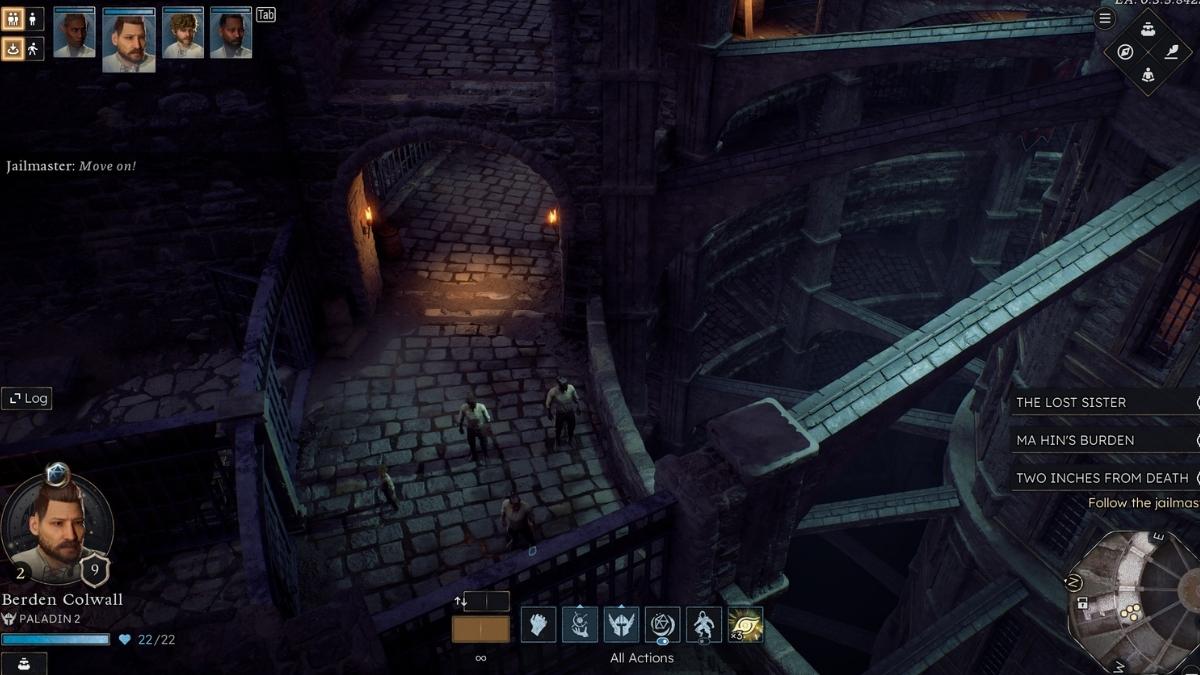
The soundtrack is thematic and immersive, with tracks that fit the locations and specific moments in which they play, while not aggressively standing out in a way that could break immersion or shift too much focus onto the music. While I still haven’t had that “I’ve got to listen to this track on YouTube” moment, I certainly didn’t feel that the music was underwhelming. It’s more that the tracks are composed in a way that makes them inseparable from the rest of the game, helping to build the atmosphere without being disruptive.
Political Intrigues and Affairs of the Gods
The world of Solasta is one of political and societal struggle: conflicted nations with histories riddled with unresolved disputes, massive yet fragile old empires standing like houses of cards, secret societies, and everything in between. It is a world full of mysteries, conspiracies, factions, and powerful individuals with their own agendas, as well as forces beyond the realm of mere mortals, all of which you’ll quickly become entangled in, not entirely by your own will.
In my opinion, the writing in Solasta II (at least in the available Act 1) is exceptional, successfully balancing grounded and epic tones. The characters mostly speak naturally, like real people, and there are no tedious exposition dumps in the form of characters delivering extensive lore through dialogue - a method all too common in many CRPGs. And when characters do act as lore dumpers, it feels natural, as the story genuinely requires some explanation that your party members would ask for in such situations.
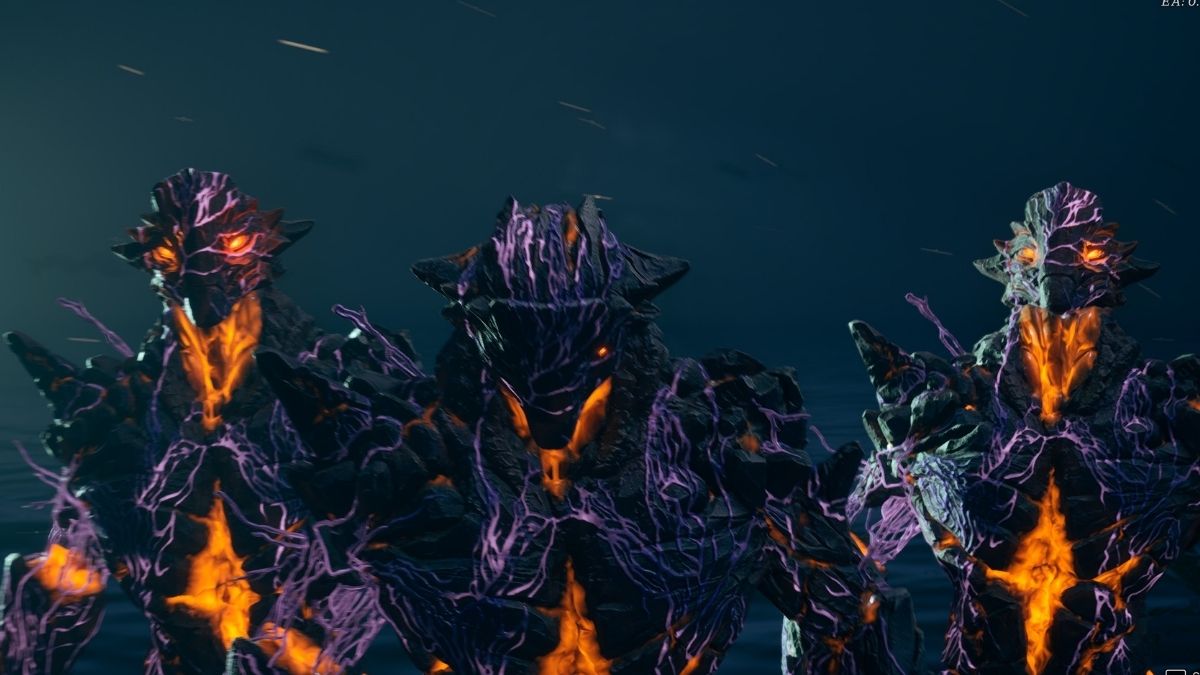
You’ll learn lore and story tidbits through dialogue and quest completion, but also by reading books you find along the way, paying attention to comments your characters make when interacting with the environment, and leveling up proficiencies in skills like History, Magic, and more - allowing them to recognize specific elements and share their knowledge about them.
I’ve never felt overwhelmed by the story, characters, or lore during my playthrough; everything unfolds at a natural pace, allowing me to learn everything I need to know about the world up to that point without bogging me down in unnecessary details or deep lore that doesn’t contribute much to the worldbuilding or story.
The Teething Problems of Early Access
Being an Early Access title in the very early stages of development, the game does suffer from some issues that are to be expected, and are something the developers have clearly stated that we should expect in this stage of the game's development. Aside from the usual trifecta of bugs, performance problems, and placeholders, the biggest issue currently comes in the form of combat encounters.
Some encounters may feel tedious and a bit lackluster, and there are clear balancing issues that should be addressed, both in terms of character classes and enemy design in specific encounters. The good news is that this is exactly why the game has launched in Early Access. These kinds of issues are not underlying fundamental problems that cannot be ironed out. Rather, it all comes down to balancing and tweaking, which we will certainly see improved throughout Early Access updates.
When it comes to performance, I’ve personally never experienced any major issues (though some players report forced resets and black screens). However, barely hitting 60 FPS on my Ryzen 7 5800X / MSI RTX 3090 SUPRIM X 24G rig is certainly not something I expected. Tactical Adventures has already released a few hotfixes to address performance issues, so hopefully, they will continue improving it.
The Big Question - Should You Play It?
Let’s wrap up this Early Access review by answering the most important question: is this a game for you, and if so, should you play it now? The short answer is that if you’re a fan of turn-based, narrative-driven tactical CRPGs, then yes, Solasta II is something you absolutely don’t want to sleep on. You don’t even need to play the first game; the sequel’s story stands on its own, both chronologically and geographically, taking place on a different continent more than 70 years after the events of the original.
The only real question here is whether you’re okay with playing an unfinished Early Access build. If you jump into the game now, you should be prepared for balancing and performance issues, missing content, placeholders, a myriad of bugs and glitches, missing core gameplay mechanics such as additional classes, and the absence of Acts beyond Act 1. If that’s bothering you, then you should wait for the full release to properly enjoy the whole experience.
 Nikola is a Senior Staff Writer at Pro Game Guides with over 13 years of experience in gaming journalism. He has been playing video games since his father bought him an NES and a Sega Mega Drive in the early 1990s. Over the years, he has mainly become a PC gamer with a love for narrative-driven RPGs, real-time strategy games, and psychological/survival horror titles. Still, he enjoys any game that’s worth his time.